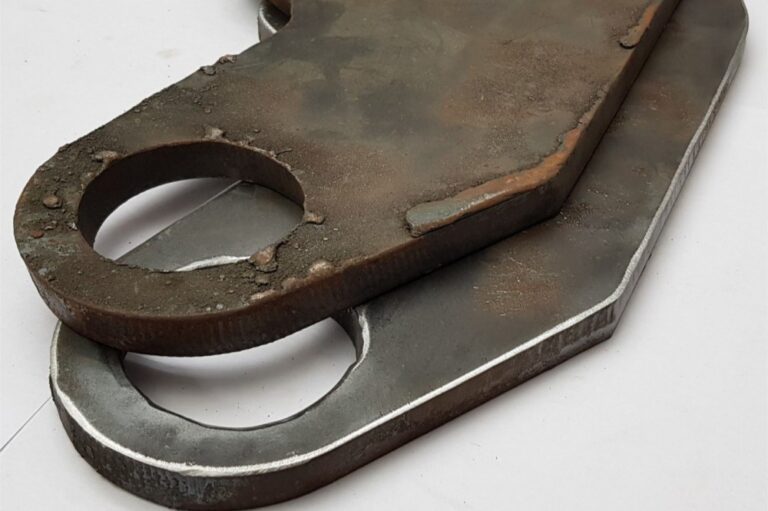
Initiating that complete analysis of intelligent devices built specialized in removing burrs feature transformed engineering operations, affording major upsides within rapidity and precision. This analysis explores the distinct types of automatic deburring equipment, containing scrubbing polishing equipment, oscillating instruments, and leading automated tools. We will discuss the benefits of leveraging such innovations, featuring lower human resources costs, increased item uniformity, and improved throughput levels.
Contour Deburring Apparatuses: Consistent Finishing Described
Corner beveling tools offer a cutting-edge solution for creating correct enhancing on elements. Compared to manual processes, these programmable fixtures guarantee consistent performance and substantially boost creation capacity. They often use diverse wearing mechanisms like whirling blades, refining wheels, or specialized shapes to reduce sharp profiles and sharpness. Such activity is necessary in a vast array of domains, embracing aviation and digital.
- Raise face grade
- Curtail creation charges
- Enhance volume and performance
Additionally, advanced corner rounding machines often bring in variable mechanisms allowing for sophisticated contours and fast reconfiguration between various segments.
Byproduct Disposal Apparatuses: Securing Pure, High-Quality Exteriors
Present-day metallurgy operations invariably give rise to significant amounts of residue, a byproduct that, if present, can severely affect the grade of the conclusion. Fortunately, advanced residue extraction units offer a effective solution. These specialized machines, employing techniques like surface cleaning, are designed to comprehensively eliminate this unwanted material, ensuring a pristine and first-rate surface. The resulting positive effects include decreased rejection rates, strengthened aesthetic appeal, and an overall surge in productivity. By utilizing cutting-edge slag removal technology, manufacturers can consistently deliver elite surfaces and fulfill stringent measures.
Sheet Metal Enhancement: The Benefits of Deburring Apparatuses
Reaching a leading coating on sheet metal modules is imperative for performance, and deburring machines supply major gains over traditional methods. Discarding burrs effectively not only magnifies the external quality of the material, but also deters conceivable problems during production and application. Also, robotic deburring operations improve operation currents and decrease employee expenses.
Improving Sheet Metal Production with Automatic Deburring
To increase capacity in sheet metal manufacturing, implement mechanized deburring Surface Finishing processes. Physical deburring is customarily slow and inclined to aberrations. Switching to digital deburring supplies significant improvements, containing cut personnel expenses, heightened assembly standards, and increased output volumes. These commitments can rapidly deliver value.
Identifying the Appropriate Deburring Machine for Your Project
Ascertaining the leading deburring apparatus for your customized needs comprises a careful assessment of several elements. At the outset, analyze the classification of element you're controlling – iron requires varied techniques than plastic. Then, take into account the volume and configuration of the elements needing burr removal. Concluding, consider your output amount; a mass operation calls for a separate type of device than a occasional one. Omitting to take into consideration these factors is likely to bring about unsatisfactory results and escalated outlays.
Deburring Unit Method: Progressions and Enhancements
Contemporary edge finishing device method is seeing rapid evolution, powered by the requirements for boosted correctness and throughput in production processes. Principal advances consist of the implementation of robotic devices for scalable surface refining functions, alongside advances in buffing technique. We're in addition perceiving a expansion in mobile edge-removal instruments geared for niche applications, and groundbreaking methods like laser edge refining are garnering momentum. The direction suggests towards strengthened linkage of edge-removal mechanisms within the intelligent factory surroundings.
Enhancing Engineered Piece Performance with Profile Polishing
Many assembling processes for steel parts introduce sharp edges, which can bring about stress zones and vulnerabilities that impair overall lifespan. Perimeter rounding, a simple yet considerable strategy, offers a straightforward solution. It involves slightly chamfering the crisp edges of a piece during the assembly stage. This reduces stress areas, strengthens longevity resistance, and can avoid breaking. Benefits are further amplified when dealing with complicated configurations or parts subjected to substantial pressure. Considerations include the ideal arc of the chamfer and its bearing on coupling with other segments.
- Reduces Stress Concentrations
- Enhances Wear Lifespan
- Eliminates Fracturing
Dross Extraction vs. Deburring : Comprehending the Distinctions
Although many engineers use the phrases “slag elimination” and “deburring” without distinction, they describe distinct procedures in metal manufacturing processes. Edge removal focuses on cutting away the sharp, often tiny, excrescences created during fabricating operations—these are excess bits of metal left on the module. Byproduct disposal, conversely, addresses a byproduct – typically a fusion of unwanted elements – that occurs during processes like casting. Essentially, deburring deals with superfluous margins, while slag disposal deals with the offshoot of a separate operation. Ultimately, digital deburring and residue removal apparatuses are necessary components of modern metal fabrication that offer superior finished products with curtailed defects and maximized efficiency.Completing the study emphasizes the significant role of state-of-the-art automated deburring technologies in upgrading production guidelines and enabling businesses secure improved productivity and precision.
Comments on “Is ROI from precision grinding and thickness calibration solutions measurable?”